
Best Portable Solar Power Generators for Home & Emergencies
A portable solar power generator can provide electricity when you are away from the grid, dealing with a power outage, or simply need a convenient source of backup power. Unlike traditional gas generators, portable power stations operate quietly and can be recharged using solar panels without requiring fuel.
The best portable solar generator for you depends largely on what you need to power. A small unit may be enough for phones, lights, cameras, and laptops, while larger models can handle refrigerators, medical equipment, tools, and other higher-demand appliances. Battery capacity, inverter output, charging options, portability, and battery chemistry are some of the most important specifications to compare.
Below are several portable solar power stations worth considering, followed by a guide to the features that matter most when choosing one.
Click here for: Best Solar Panel Mounting Brackets for Secure Installation
What Is a Portable Solar Power Generator?
A portable solar generator is essentially a battery-powered energy storage system that can supply electricity through various output ports. Most modern units include an internal battery, an inverter, AC outlets, USB ports, and charging inputs.
Despite the name, these devices do not actually generate electricity in the same way a fuel-powered generator does. The battery stores electrical energy, which can come from a wall outlet, vehicle, or compatible solar panels. When you need power, the stored energy is converted into usable electricity.
This makes portable solar generators useful for camping, RV trips, outdoor work, emergency preparedness, and short-term backup power at home.
What to Look for in a Portable Solar Generator
Before choosing a model, it helps to understand the specifications that determine how useful a power station will be.
Battery Capacity
Battery capacity is usually measured in watt-hours (Wh). A higher Wh rating means the unit can generally store more energy, although actual runtime depends on the device being powered and the efficiency of the system.
For example, a smaller power station may be suitable for charging phones and laptops, while a unit with 1,000Wh or more can provide considerably more stored energy for appliances and longer periods of use.
Continuous and Peak Power Output
Power output is measured in watts (W). Continuous output tells you how much power the inverter can supply during normal operation.
Some appliances require a higher amount of power when their motors initially start. This is why many power stations also list a peak or surge output.
Always compare the power station’s continuous and peak ratings with the requirements of the appliances you intend to use.
Solar Charging
If you want to rely on solar energy rather than an electrical outlet, check the unit’s solar input specifications. Solar charging speed depends on the maximum solar input supported by the power station, the panels being used, weather conditions, and the amount of sunlight available.
A larger solar input can be useful if you want to recharge the battery more quickly during the day.
Battery Chemistry
Many modern portable power stations use lithium batteries. LiFePO4, also known as lithium iron phosphate, has become particularly common because of its long cycle life and stable chemistry.
Other lithium battery types can also offer good performance, so battery chemistry should be considered alongside capacity, warranty, charging speed, and overall specifications.
Portability
A large battery capacity usually means a heavier power station. Think about where you will use the unit before choosing one.
A lightweight model may be more convenient for camping or travel, while a heavier high-capacity unit may be better suited to home backup where portability is less important.
Output Ports
Consider what you actually need to plug into the power station. Common connections include AC outlets, USB-A, USB-C, and DC outputs.
Having several output types can make the unit more useful when charging multiple devices at once.
Portable Solar Power Generators to Consider
1. Portable Solar Power Station
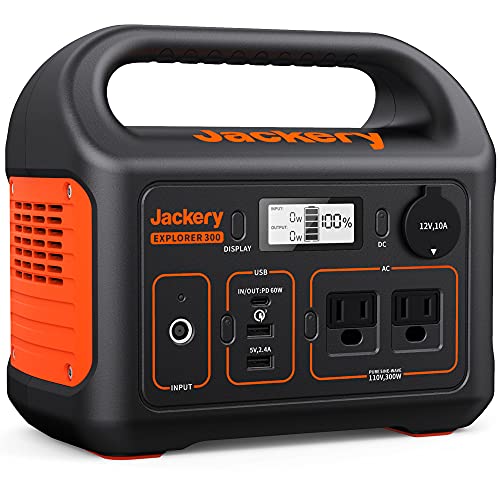
Pairing with optional solar panels ensures off-grid charging, extending runtime without relying on outlets. The built-in handle and sturdy design make transport simple, while multiple ports allow simultaneous device use. For those needing dependable, portable power, it balances capacity and convenience effectively.
2. Portable Solar Power Station with Panel

Fast charging in one hour and a 1070Wh capacity make it ideal for emergencies or outdoor use. Compact yet powerful, it balances portability with performance, handling everything from RV trips to backup power without hassle.
3. Portable Solar Power Station

Efficiency matters, and this model balances power output with portability. The solar compatibility ensures off-grid charging, while the compact design fits easily in a car or backpack. It’s a practical choice for those who need dependable, clean energy on the go.
4. Portable Solar Power Station Kit

For emergencies or off-grid trips, the balance of power output and portability stands out. The 120W peak covers most essential needs, and the built-in battery holds enough charge to keep things running when sunlight is limited. No unnecessary frills, just practical performance.
5. High-Capacity Portable Power Station

For home backup or camping, its compact design and optional solar compatibility provide flexibility. The rapid recharge time and robust capacity set it apart from competitors, offering dependable power when it matters most.
6. Portable Solar Power Station

Its versatility suits camping, RVs, or home backup. The quick recharge time and multiple output options make it practical for daily needs or unexpected power loss. Durability and portability set it apart for those who need dependable energy without bulk.
7. Portable Solar Power Station with Panel

Durability and portability matter in a solar generator, and this version balances both. The orange design improves visibility while the lightweight build ensures easy transport. Clean power output protects sensitive electronics, and the solar panel keeps it charged without fuel dependency.
8. Portable Solar Power Station with Panel

Compact and lightweight, it’s easy to transport for camping, RV trips, or backup power. The 300-watt output handles essentials like lights, phones, and small tools without noise or fumes. Quick solar charging keeps it ready for extended off-grid use, balancing performance and convenience.
9. Portable Solar Power Station with Panels

Its efficiency and portability make it a strong choice for those needing off-grid power without noise or fuel. The included solar panels allow for easy recharging, providing a sustainable solution for short-term power needs in various settings.
10. Portable Solar Power Station

Its 288Wh capacity balances portability and runtime, handling camping trips or backup power needs efficiently. Solar panel compatibility adds flexibility, while multiple outlets support simultaneous device charging. Durability and quick recharge times make it a practical choice for dependable energy on the go.
How to Choose the Right Portable Solar Generator
There is no single portable solar generator that is best for everyone. The right choice depends on what you want to power and how long you need to operate those devices.
For Phones and Small Electronics
A smaller power station can be enough if your main goal is charging phones, tablets, cameras, laptops, lights, and similar devices. A compact unit will usually be easier to carry and store.
For Camping and RV Trips
Portability becomes particularly important when taking a power station outdoors. Consider the weight, physical dimensions, battery capacity, available ports, and solar charging capability.
If you spend several days away from electrical outlets, solar input becomes more important because it gives you a way to replenish the battery during the day.
For Home Emergency Backup
For emergency use, look beyond portability. A higher-capacity battery can provide more stored energy, while a higher inverter rating allows the unit to support a wider range of devices.
Make a list of the appliances you actually want to operate and add up their power requirements before buying. This is a more reliable way to choose a power station than simply selecting the model with the largest advertised wattage.
For Longer Off-Grid Use
If you plan to rely on solar charging for extended periods, pay close attention to the maximum solar input. A large battery is useful, but it also needs a practical way to recharge.
Expandable batteries and higher solar input can be particularly valuable for people who expect their energy requirements to grow over time.
How Long Can a Portable Solar Generator Run?
Runtime depends on the battery’s watt-hour capacity and the amount of power your devices consume.
As a simple example, a 1,000Wh battery theoretically contains enough stored energy to supply 100 watts for around 10 hours. Real-world runtime will be lower because power stations have conversion losses and devices do not always consume a constant amount of electricity.
For a more accurate estimate, consider both the battery capacity and the wattage of the equipment you plan to connect.
Can You Use a Portable Solar Generator While It Is Charging?
Some portable power stations support pass-through charging, allowing them to supply power while they are being recharged. However, the exact behavior and limitations vary between models.
If this feature is important to you, check the manufacturer’s specifications before buying. Also consider whether the unit supports the type of charging setup you intend to use, particularly when connecting solar panels.
Are Portable Solar Generators Worth It?
For many people, portable solar generators can be a practical alternative to traditional fuel-powered generators for certain applications.
They operate quietly, do not require gasoline during use, and can be recharged from solar panels when compatible equipment is available. They are particularly useful for camping, travel, emergency preparedness, and powering smaller electronics.
However, they are not automatically the best option for every situation. Large appliances can consume substantial amounts of energy, and running them for long periods may require a much larger battery system and solar array.
The best approach is to determine your actual power requirements first and then choose a power station with enough capacity and output to meet them.
Final Thoughts
The best portable solar power generator depends on how you plan to use it. Smaller power stations can be convenient for phones, laptops, lights, and camping, while higher-capacity models are better suited to home backup and larger electrical loads.
When comparing models, focus on battery capacity, continuous output, peak output, solar charging capability, battery chemistry, available ports, and portability. It is also important to distinguish between a power station that includes solar panels and one that requires you to purchase panels separately.
Rather than choosing a model simply because it has the highest wattage or largest battery, match its specifications to the devices you actually need to power. That will help you avoid paying for capacity you do not need while ensuring the unit can handle the equipment that matters most.
Click here for: What Is the Best Time to Use Solar Power?
Frequently Asked Questions
What is the best portable solar power generator?
The best portable solar generator depends on your intended use. Smaller models can work well for phones, laptops, lights, and camping, while higher-capacity power stations are more appropriate for emergency backup and larger appliances.
What size solar generator do I need?
The size you need depends on the devices you want to power and how long you want to run them. Add up the wattage of the devices you expect to use and compare that with the power station’s continuous output and battery capacity.
Can a solar generator power a refrigerator?
Some larger portable power stations can power compatible refrigerators, but runtime depends on the refrigerator’s energy consumption, starting requirements, and the capacity of the battery. Always check the power station’s continuous and surge ratings before connecting a refrigerator.
Can a portable solar generator run a house?
A portable power station can provide backup electricity for selected household devices, but most portable units are not designed to power an entire house indefinitely. Whole-home backup generally requires a substantially larger battery and solar system.
Do portable solar generators need sunlight?
No. Solar generators can usually be charged through other methods such as AC outlets or vehicle charging, depending on the model. Solar panels simply provide an additional way to recharge the battery.
How long do portable solar generators last?
Battery lifespan varies by battery chemistry, usage, charging habits, temperature, and the specific model. LiFePO4 power stations are commonly chosen for their long cycle life, but the manufacturer’s specifications should be checked for the particular unit.
Are solar generators safe?
Portable power stations include built-in protection systems, but they should still be used according to the manufacturer’s instructions. Pay attention to maximum loads, charging requirements, ventilation, operating temperatures, and other safety guidance provided for the specific model.